
Football And Feeling: Why The Beautiful Game Still Owns The World’s Heart
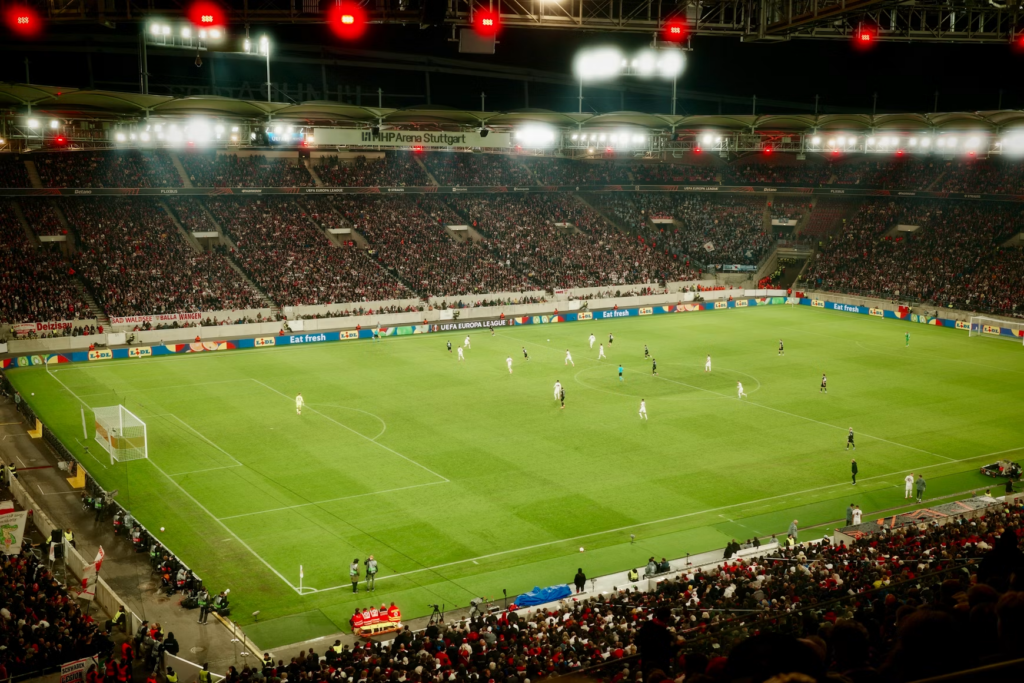
Football has a rare way of turning ordinary evenings into memories that stay for years. A simple match can carry family history, neighborhood pride, national tension, and private hope at the same time. No other sport seems to move so easily between street corners, packed stadiums, schoolyards, cafés, and living rooms. That emotional reach explains why football remains more than entertainment. It becomes a shared language.
The same emotional pull can be seen in modern sports culture, where fans follow live scores, tactical updates, and even platforms such as live cricket betting while comparing how different games create pressure and excitement. Football, however, still has a special rhythm. One goal can change a mood across an entire city. One missed penalty can feel personal, even from thousands of miles away.
A Game Built On Simple Rules And Deep Feelings
Football does not need much explanation. A ball, two goals, and enough space can create a match. That simplicity matters. Complicated sports can be thrilling, but football gives instant access. A child can understand the basic idea within minutes, while lifelong supporters can spend decades debating formations, pressing systems, and transfer decisions.
This balance makes football unusually powerful. The surface is simple, yet the emotional layers keep growing. A club badge may represent a district, a family tradition, a political history, or a childhood memory. A national team may carry decades of disappointment, pride, and unfinished dreams. The pitch becomes a stage where ordinary emotion gains public shape.
Small Moments That Feel Huge
Football often creates drama through tiny details. A slight touch before a shot, a goalkeeper’s step to the left, a defender arriving half a second late — these details can decide everything. The sport allows long periods of tension, then releases emotion in one sudden burst. That is why a goal feels almost explosive.
Unlike high-scoring games, football makes every chance precious. A match can stay level for 80 minutes, and the crowd still remains locked in. Anticipation becomes part of the experience. Silence before a free kick can feel as intense as the celebration after a goal.
Why Football Hits So Hard Emotionally
The emotional force of football comes from several familiar but powerful elements. Each one seems simple on its own, yet together the result becomes almost impossible to replace.
- Low scoring creates real suspense: Every goal matters because goals are never guaranteed.
- Local identity feels visible: Clubs often carry the character of a town, city, or region.
- Generations share the same ritual: Grandparents, parents, and children can support the same team for different reasons.
- Unexpected results keep belief alive: Smaller clubs can still defeat giants on the right day.
- Public celebration feels natural: Streets, pubs, squares, and homes become part of the match atmosphere.
These elements explain why football emotion rarely feels manufactured. The sport leaves enough room for fear, hope, anger, patience, and joy. Supporters are not just watching movement on grass. A whole emotional weather system moves with the ball.
The Power Of Belonging
Football builds belonging better than almost any cultural habit. Supporting a club often begins before any real choice is made. A scarf appears in childhood. A first stadium visit leaves a mark. A family member tells stories about an old final, a legendary striker, or a season that still hurts to mention.
This inherited feeling gives football its depth. A match is never only about the current score. It carries previous seasons, famous defeats, lucky rituals, and familiar songs. Even casual supporters often feel drawn into that collective memory. In football, history does not sit quietly in books. History sings from the stands.
Stadiums Turn Emotion Into Sound
A football stadium can feel like a living instrument. Chants rise, whistles cut through the air, applause rolls from one section to another, and nervous silence appears without warning. The sound changes with every attack. That shared noise gives private emotion to a public body.
Television and streaming have expanded the game, but the stadium still holds a special kind of magic. A goal seen on a screen is exciting. A goal felt inside a crowd can shake the chest. The difference is not only visual. It is physical, social, almost tribal in the old sense of the word.
Why Other Sports Still Struggle To Match It
Many sports have speed, skill, and drama. Some have bigger scores or more constant action. Football’s advantage comes from the emotional economy. The game does not feel too fast. It stretches tension, delays reward, and makes release unforgettable.
- Basketball gives constant scoring, football gives rare release.
- Tennis focuses tightly on individual pressure, football spreads pressure across a community.
- Cricket can build long drama, football compresses emotion into ninety urgent minutes.
- American football offers spectacle, football offers global familiarity.
- Esports creates digital loyalty, football connects digital life with real streets and stadiums.
This does not make football better in every technical sense. It makes football emotionally different. The game fits into daily life without losing its grandness. A match can be watched during lunch, discussed for a week, remembered for decades.
Why The Feeling Will Not Fade
Football remains the world’s most emotional sport because it belongs to almost everyone. It can be played cheaply, understood quickly, and loved deeply. It respects tradition while adapting to streaming, social media, tactical analysis, and global fan communities.
The future of sport will bring new formats, new platforms, and new ways to follow every second. Still, football has an old advantage that technology cannot easily copy. It turns one ball, one goal, and one shared breath into something larger than the match itself. That is why the final whistle can feel like heartbreak, relief, pride, or pure joy. Football does not simply entertain the world. It gives the world a place to feel together.